
Conventional turning for one-offs and repairs
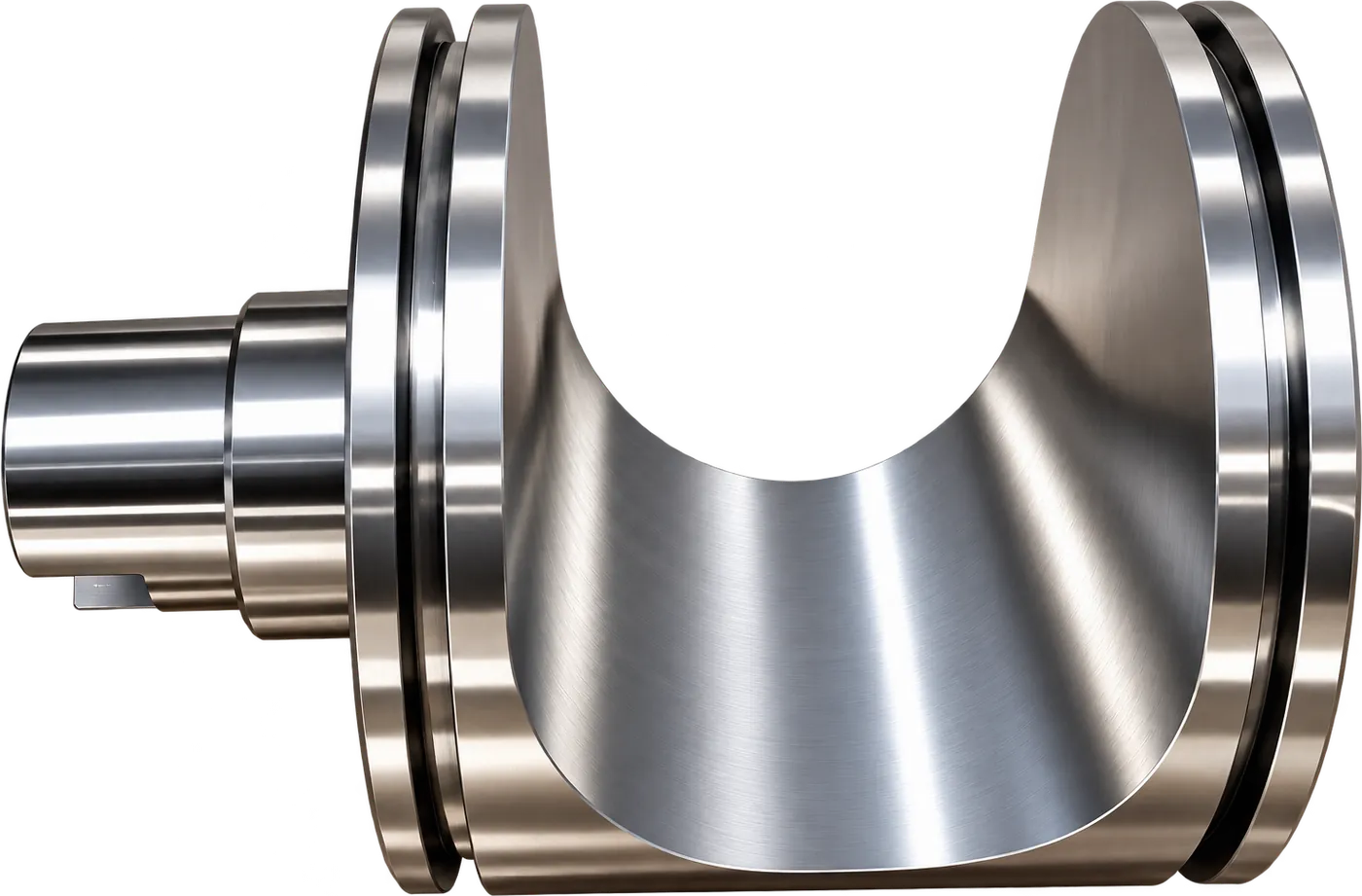
Manual lathe work by experienced hands. When a single part is needed today, when a shaft has to be repaired, or when the only reference is a worn sample, conventional turning is often the quickest way back to a running machine.
Why manual turning still matters
CNC lathes are excellent at repeating a part many times. But a program takes time to write and prove, and for a single, straightforward part that time is often longer than simply making the part by hand.
On a conventional lathe the machinist sets every cut directly, measures as the part takes shape and adjusts on the spot. That flexibility is what makes manual turning ideal for repairs, for fitting a bush to a bore that has worn oval, or for copying a part when there is no drawing at all.
Breakdowns rarely wait for a convenient time. When a line is stopped because of a worn shaft or a missing spacer, a skilled turner on a manual lathe can usually get a replacement made quickly.
Typical conventional turning work
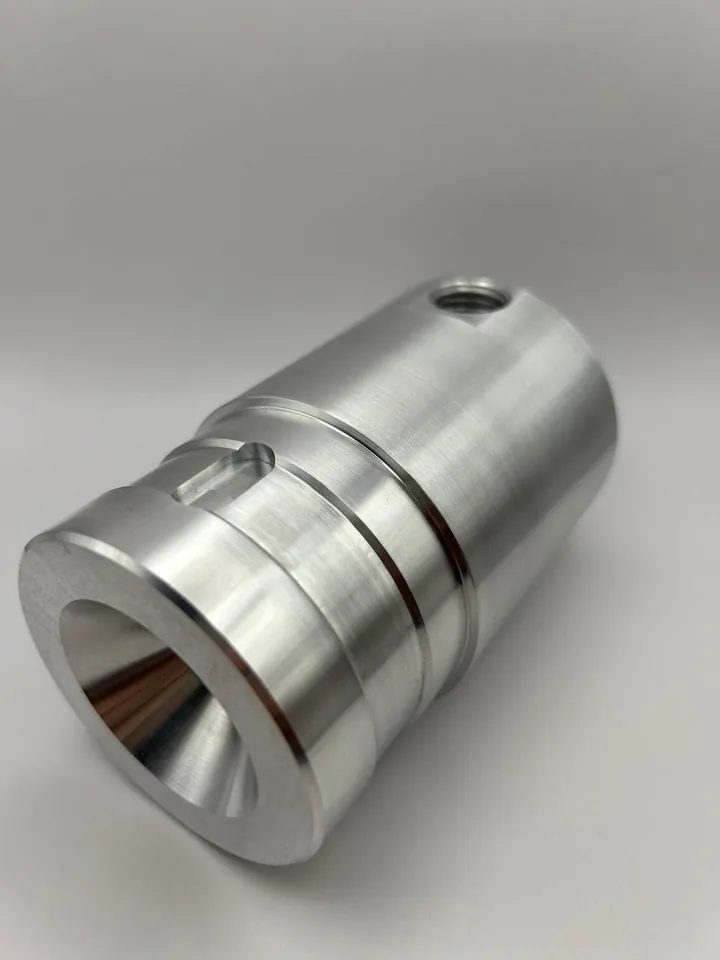
- Replacement shafts and pinsMade from a worn sample or a sketch, to get a machine running again.
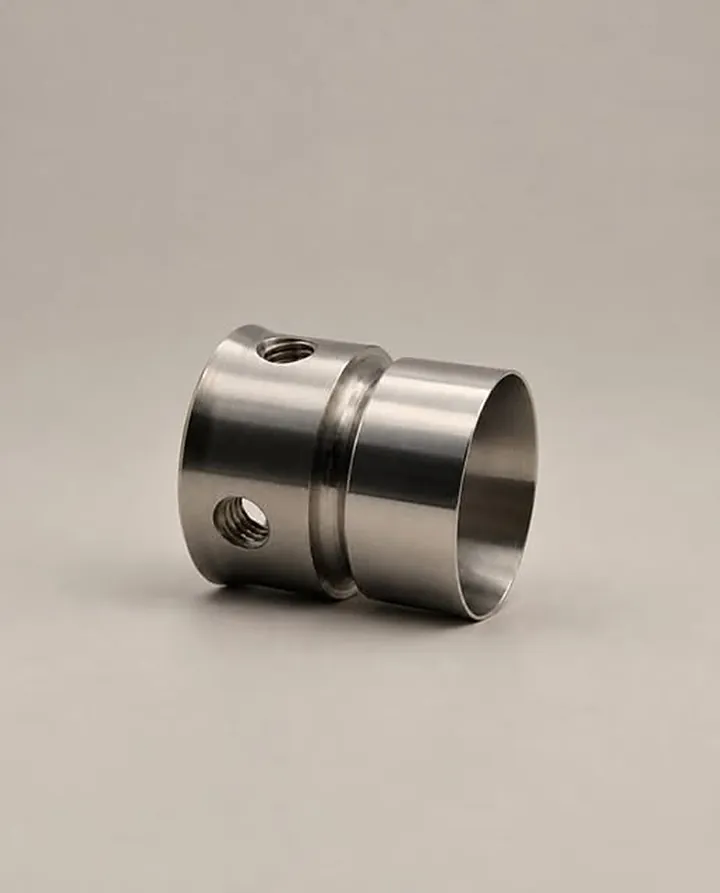
- Bushes and sleevesTurned to suit a worn bore, with the right clearance for the shaft.
- Re-machining and repairsCleaning up worn diameters, re-facing seats and recutting damaged threads.
- ThreadingSingle point threading to match an existing nut, fitting or housing.
- Spacers, collars and washersSimple parts needed in small numbers, made quickly.
- Prototype partsA first part to test a design before committing to a CNC batch.
Working from the part in your hand
Many repair jobs arrive without a drawing. The worn part itself becomes the reference: we measure the diameters, lengths, shoulders and threads, allow for the wear, and confirm the critical fits with you before cutting.
If the original failed because of the material, for example a mild steel part rusting in a washdown area, we will suggest a better material such as stainless steel for the replacement.
Where a part will be needed again in future, we can take the measurements from the manual job and turn them into a drawing and CNC program, so the next one is ready faster.


Manual and CNC, side by side
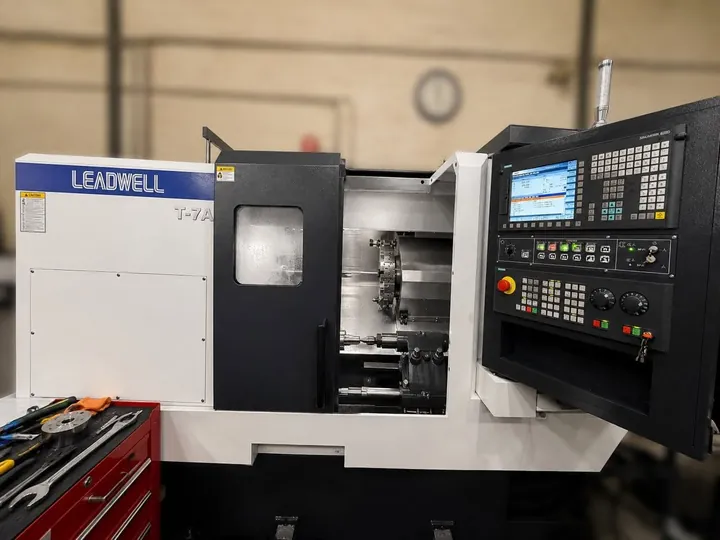
Because we run both conventional and CNC lathes, the choice is made on what is best for your job rather than on what machine we happen to have. A single prototype might be made by hand, then moved to CNC once the design is confirmed and a batch is needed.
The same skills carry across: understanding the material, holding a fit, and checking the part against what it needs to do once it is installed.
Conventional turning: common questions
Can you make a part from a broken sample?
Yes. Bring or send the part. We measure it, allow for wear and damage, and confirm the important dimensions with you before we start.
How quickly can you do a breakdown repair?
Simple manual turning jobs can often be done quickly, depending on the workload and material availability. Phone us first so we can tell you how soon we can fit it in.
Can you repair a worn shaft?
In many cases a worn diameter can be cleaned up and fitted with a sleeve or bush, or a new shaft can be made. We will recommend the option that gives the most reliable result.
Can you match an old thread?
Yes. We can identify and cut threads to match an existing nut, fitting or housing, including older and non-standard threads.
Other ways we can make it
Most parts that leave the workshop pass through more than one of these processes.
Have a drawing, a sample or a broken part?
Send it through and we will look at the best way to make it, what it will cost and how long it will take. A clear drawing helps, but a photo with a few measurements is often enough to start.